If you want to see how the continental galcier carved our land, simply choose Masovia or the Suwałki Region. Both regions have many traces of post-glacial landscapes, but each offers a completely different tourist experience.
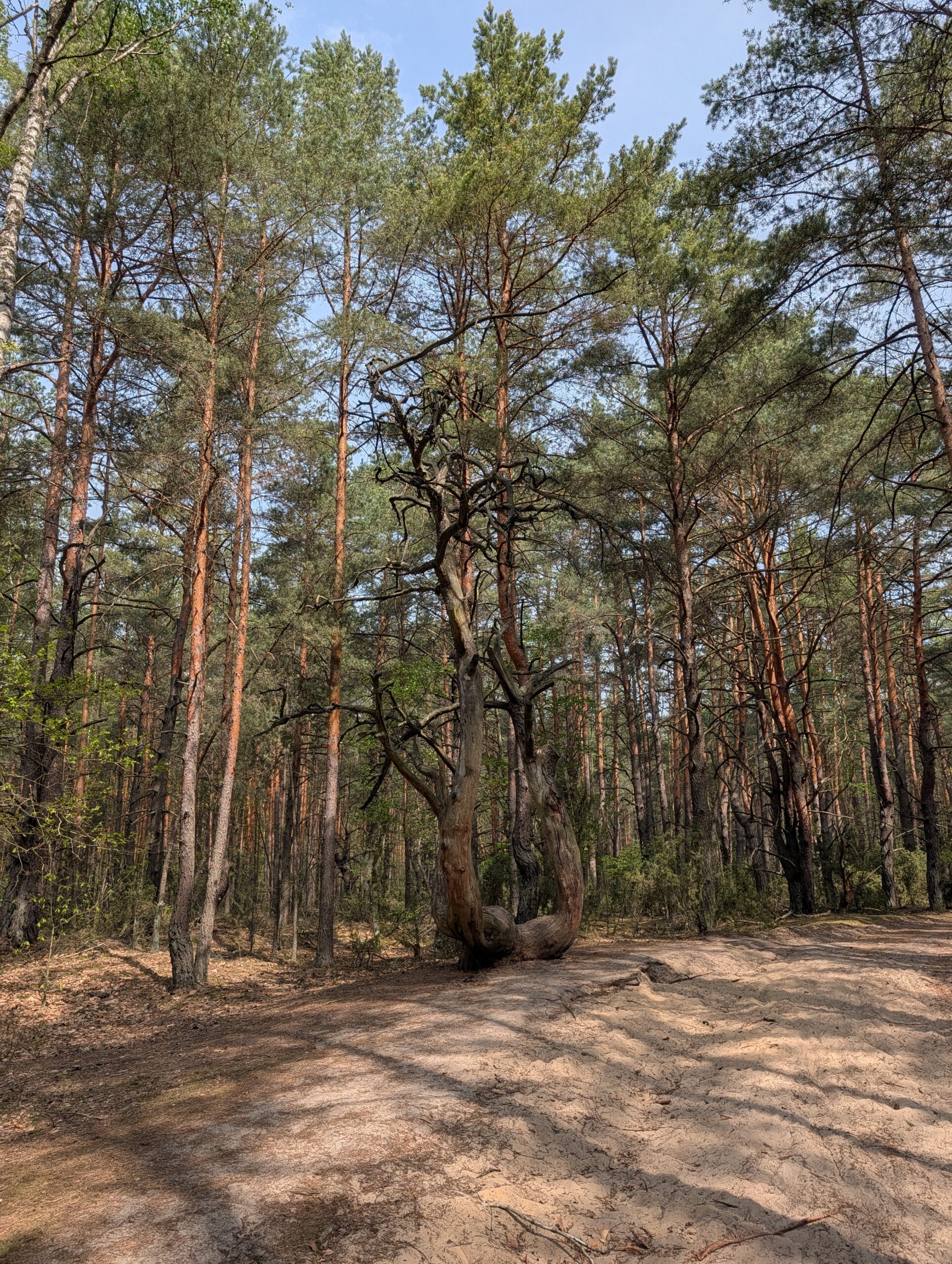
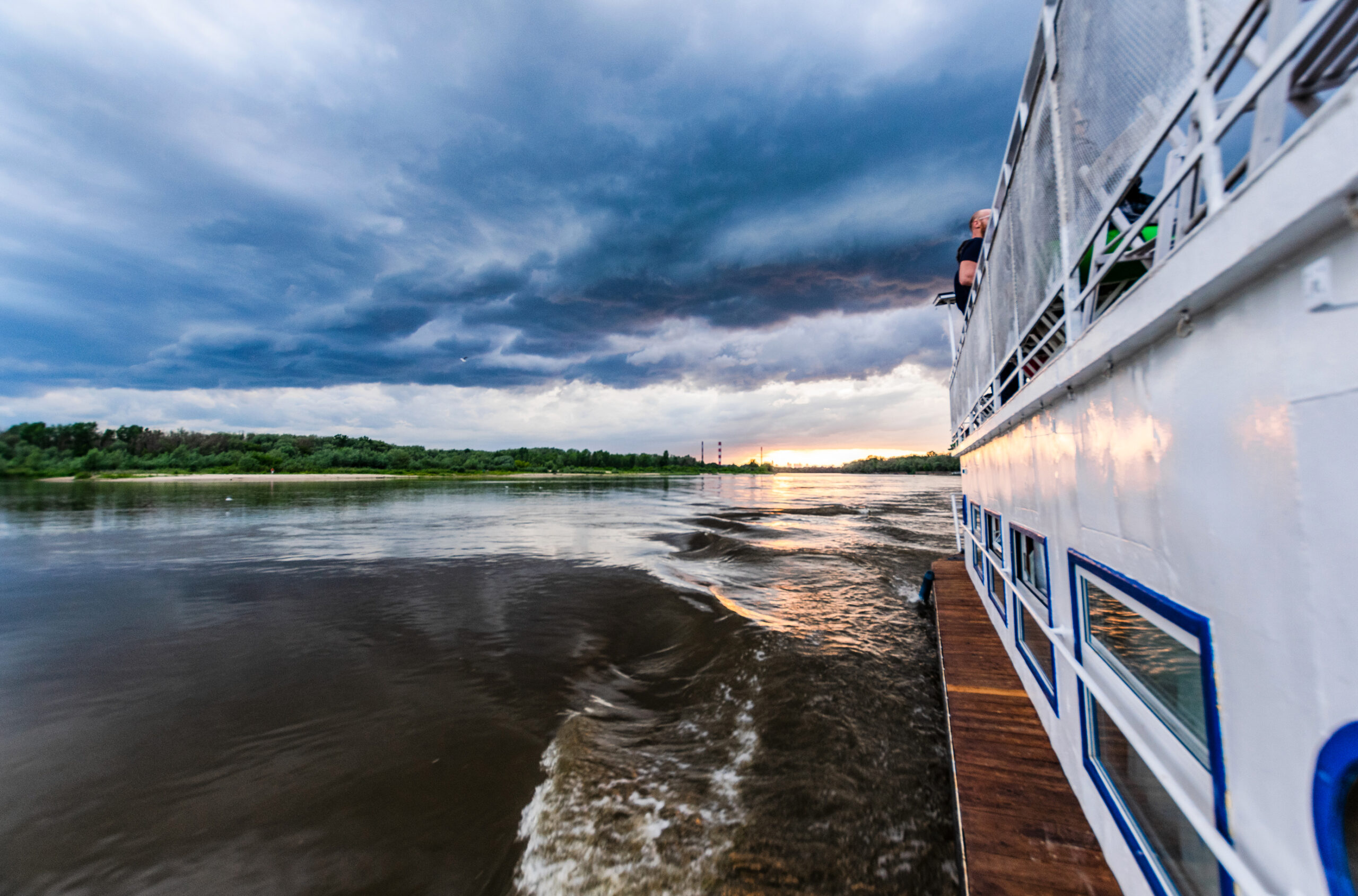
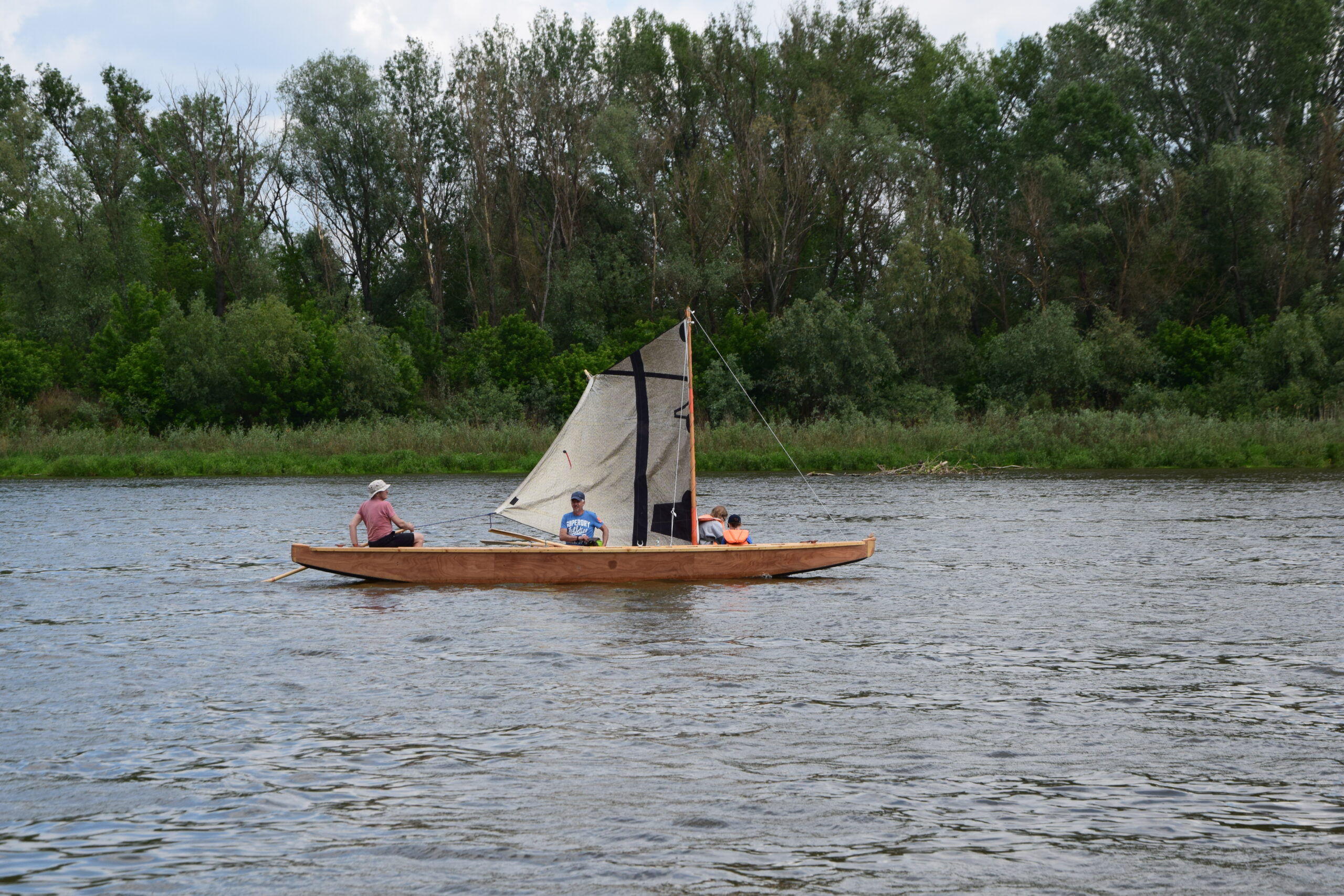
In Masovia, this is best seen in Kampinos National Park and the central Vistula Valley, where nature is wild yet very close to Warsaw. You can hop on a tram from the city center and within an hour be strolling through dunes or marshes, or along a wide, natural river. Along this section, the Vistula has formed sandbars, islands, and oxbow lakes, while the KPN boasts dunes, forests, and wet meadows. These are excellent destinations for excursions, walks, nature cruises, birdwatching, and a brief encounter with wildlife without venturing far from the city. What’s most interesting here for tourists is the proximity: wilderness next to a large metropolis full of activity and urban life. Nature there must be strongly protected because of the intense pressure from tourism and traffic, but that’s also what makes this place unique.
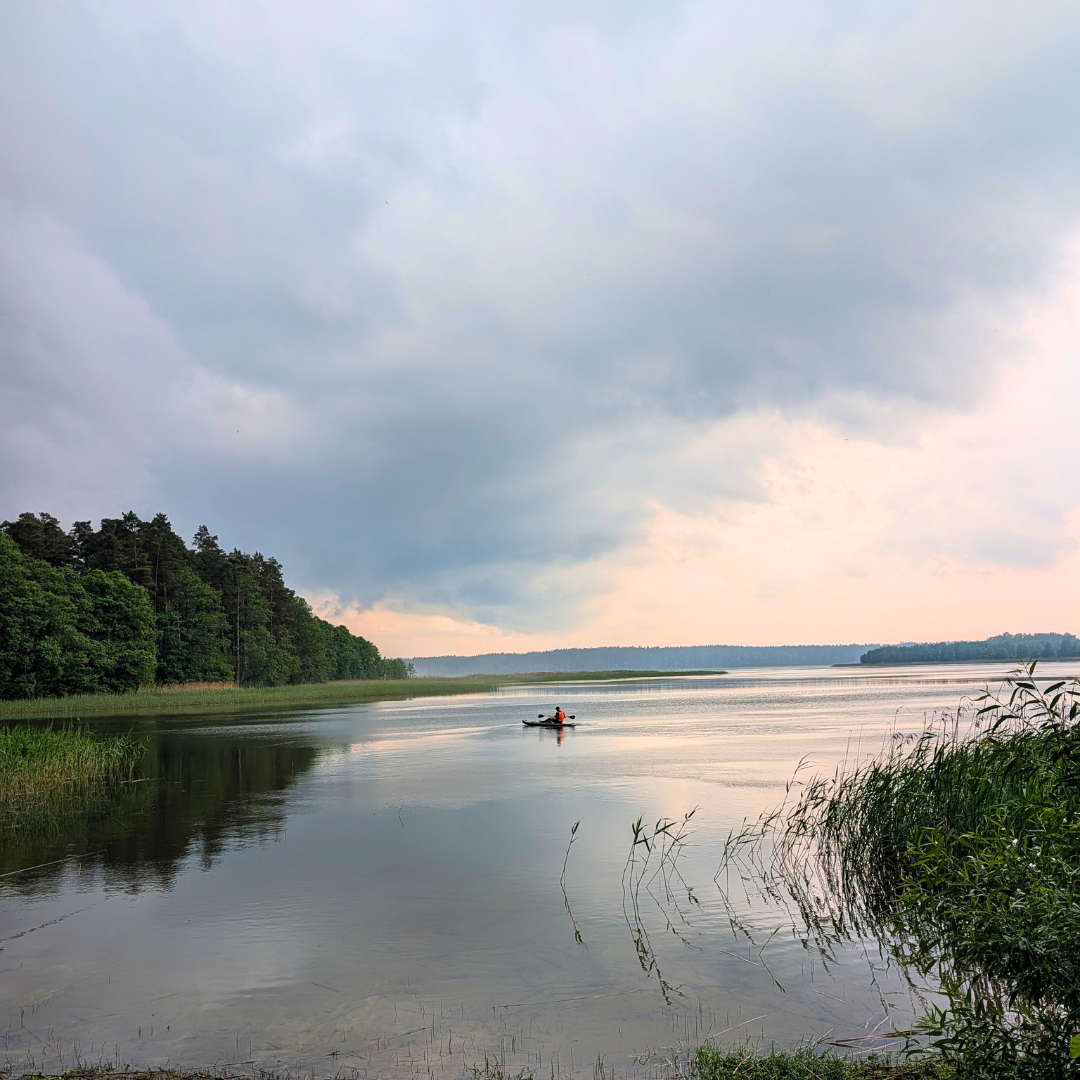
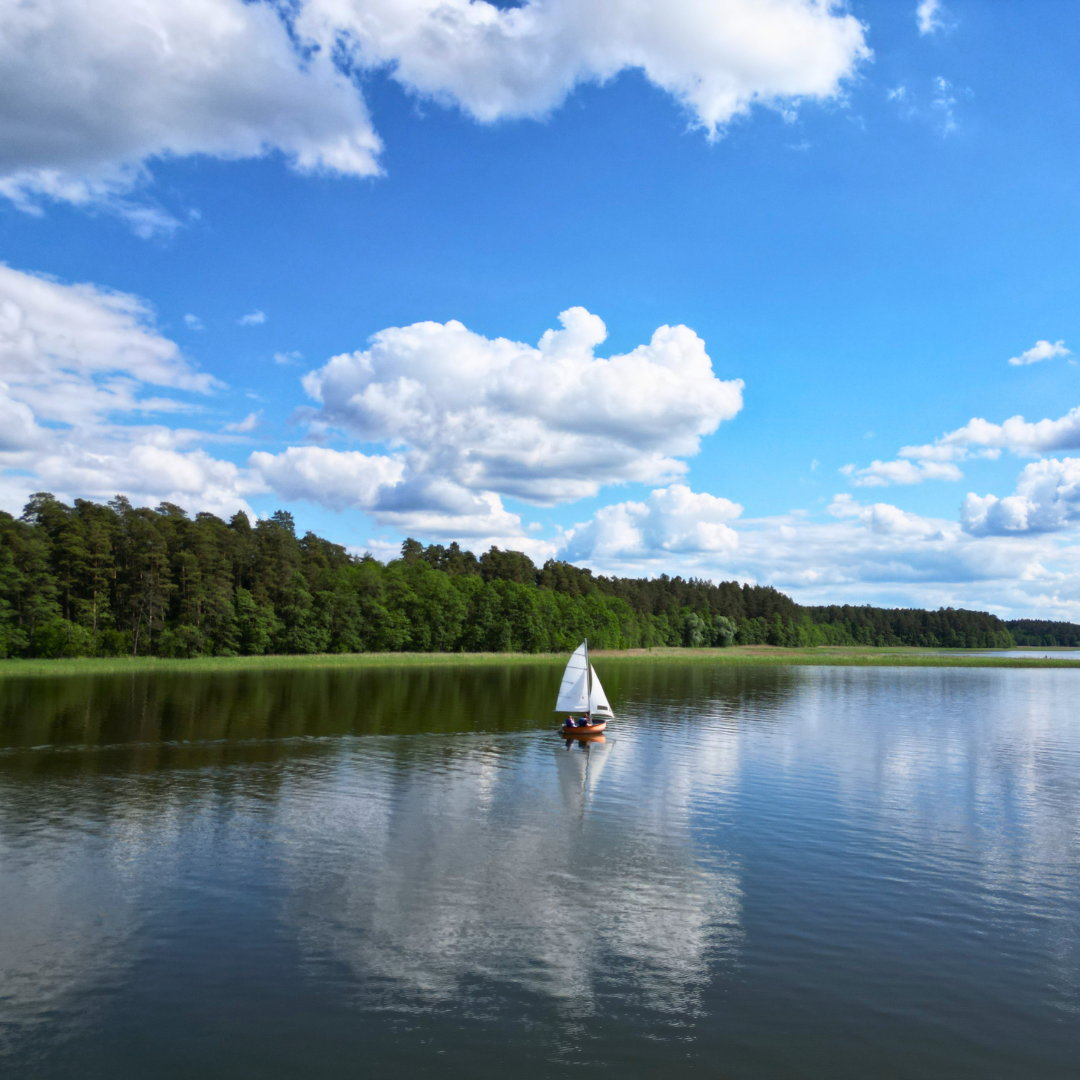
The Suwałki Region is something different. A glacier also ruled here, but its work is more rugged, more expansive. Rift lakes, moraine hills, forests, and vast spaces devoid of the hustle and bustle of city life. It’s a place where you can feel solitude, where the silence is genuine, not curated between two busy streets. Tourists can experience a more complete connection with nature: cycling, hiking trails, lakes, accommodations in small towns, a sense of space.
What connects these two places? Nature, habitats, and the history of people who lived close to the land and water, as well as their ethnographic values. In Mazovia, you have wilderness right next to a large city; in the Suwałki Region, you have space, silence, and a breath of fresh air. Both are amazing, but in different ways.